

Picture this: it’s a beautiful summer morning, and you have everything packed and ready to go for an exciting trip to a local horse show. All that’s left to do is to load your horse on the trailer. This should be easy, right? Unfortunately, for many horse owners that is just not true. Hence – the trailer loading blues.
Why is trailer loading so hard?
For some, there is no amount of sheer force, pushing, pulling, begging, or bribing that you can do to get a stubborn horse on a trailer. Of course, this leads to frustration and disappointment on behalf of everyone involved. But this shouldn’t be rocket science. If you’re having trailer loading issues, why won’t your horse just load onto the trailer?
Common Pitfalls When Teaching Horses to Trailer Load
It’s important to realize that loading onto a trailer is not an instinct for any horse. It’s a very unnatural experience, and each horse shows their level of discomfort in a variety of ways. Remember, horses are prey animals, and they usually tend to resort to their “fight or flight” instinct in times of stress.
These are some common ways that horses let us know that they are feeling uneasy about loading onto a trailer:
- Going sideways
- Balking
- Refusing to move
- Running backward
- Rearing
- Kicking out or bucking
Trailer Loading Safety Tips
As always when it comes to working with horses, safety must be a priority. And with teaching your horse to load in a trailer, it is no different. Before we look at how to train a horse to load, let’s first establish some basic safety rules.
Essential safety factors to keep in mind while loading a horse:
- Be aware of potential dangers. Trailer loading can sometimes mean a stressed horse in a tight space- always know how to get yourself out of this situation.
- When you have your horse around the trailer, always have it hooked up to a vehicle. The trailer must be stabilized, even when just practicing!
- Be conscious of your personal space. A panicked horse has no concept of your personal space- know yours and defend it.
- Think about how your horse could negatively react to the situation. Thinking proactively is key here! Always anticipate your horse’s next move.
Traditional Loading: Basic Training Techniques
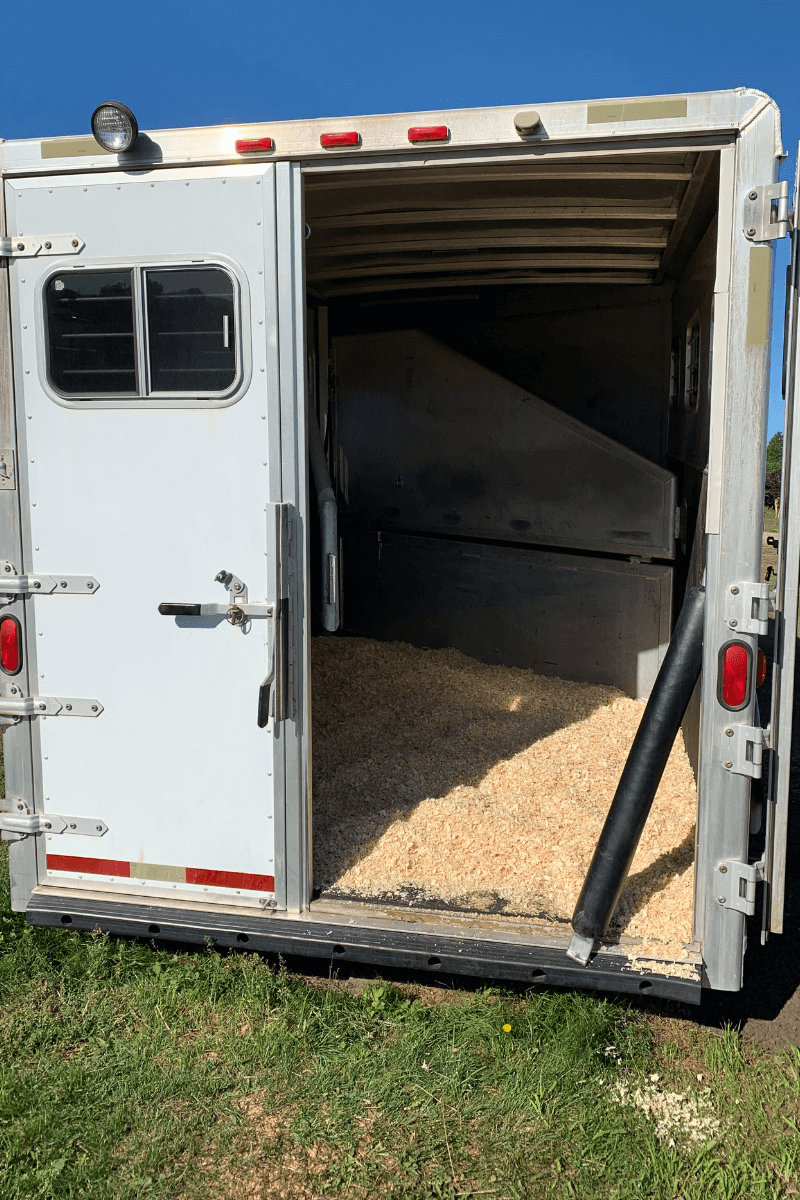
There are two common methods for trailer loading: traditional and self-loading. To train your horse to load traditionally, there are some things to keep in mind. It’s a good idea to start by desensitizing your horse to the trailer. This will help to get your horse comfortable in and around it. Before you do this though, you should prepare your trailer by opening it up, bringing in as much light as possible, and having it stocked with encouragement such as hay, grain, and treats. It’s also helpful to practice basic groundwork with your horse before attempting to load to re-establish your relationship and encourage your horse to listen to your aids.
From there, begin to lead your horse to the trailer. Patience is key- let him take the time to investigate the trailer for himself. While this is happening, keep this idea in mind: being outside of the trailer should be more uncomfortable than being inside. You can do this by backing your horse up about 10 steps (never turn them away from the trailer) if they refuse or try to turn away as you walk them up to the trailer. Then, make them get to work by practicing groundwork for a few minutes before re-approaching. The most important thing to remember: be consistent in your practice!
Self-Loading: Tips & Tricks for Success
Training your horse to self-load onto a trailer is exactly what it sounds like: your horse will walk right on the trailer and load himself. When done properly, this technique is convenient and saves you precious time!
Like with traditional trailer loading, it’s a good idea to start with basic groundwork before introducing the trailer. When approaching the trailer with your horse, make sure that you have some sort of driving aid (like a training stick or lunge whip) in one hand. As your horse walks on, use this driving aid to encourage him forward. It’s really that simple! You can practice this technique in other tight spaces too, such as with a gate.
Remember these tips to ensure a positive experience when training your horse to self-load:
- Reward any step in the right direction, no matter how small!
- Be sure to give your horse frequent breaks. You should aim to practice self-loading training for no more than 15 minutes a day. A great experience for your horse should be your top priority.
- While in the trailer, let your horse relax. The horse trailer must be seen as a great place to hang out!
- If necessary, get a trailer friend for your horse. As herd animals, horses will always feel safer with a buddy!
Again, just like with traditional loading methods, consistent practice is key here. With these trailer loading techniques in mind, you’ll be training your horse to load with confidence in no time!
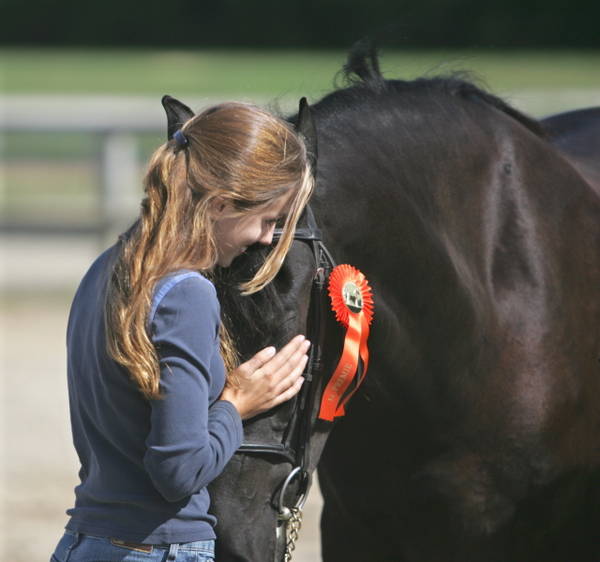
I’ve been around horses my entire life, but my Friesian journey started just over 20 years ago. Our horses have always been a part of our family. They have traveled with us as we relocated from Vermont to New York to Iowa and finally, to Arizona. I can’t wait to share our story with you!
Leave a Reply